
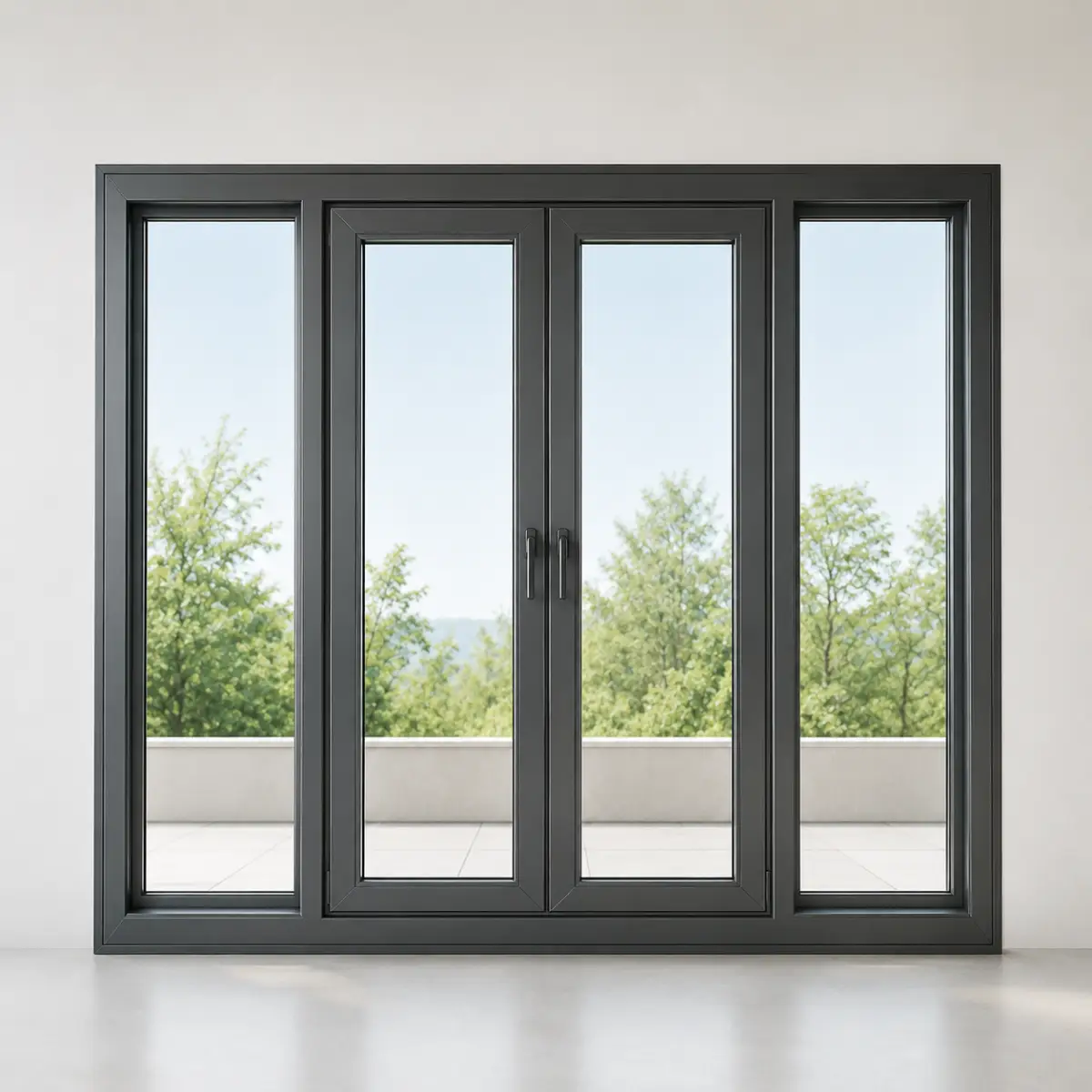
Aluminum windows have been a popular choice for homeowners for their modern appearance, strength, and ease of maintenance. However, even the sturdiest aluminum windows can show wear over time. Knowing when to change your aluminum windows can help you avoid higher energy bills, security issues, and unnecessary stress.
At Bifold-Doors, we focus on high-quality aluminum bifold windows, folding windows, gas strut windows, sliding doors, and bifold doors. This guide is designed for aluminum window owners, providing straightforward advice on warning signs, expected lifespan, and when it’s better to repair or completely replace your current setup.
8 Obvious Signs It’s Time to Change Your Aluminum Windows
Aluminum is tough, but it can wear out. Here are eight clear signs that your aluminum windows might need changing:
- Rising Energy Bills
Older aluminum windows, especially those without thermal breaks, are known for letting heat and cold pass through easily. If your heating or cooling costs have noticeably increased, poor insulation is likely to blame. New thermally-broken aluminum bifold windows from Bifold-Doors provide great insulation while maintaining slim, stylish frames. - Drafts Around the Frames
Do you feel cold air coming in during winter or warm air escaping? Worn weather seals and gaskets are common after 15–20 years. Over time, aluminum frames can shift slightly with house movement, creating gaps. - Excessive Condensation or Fogging
If you see moisture between the panes or on the glass, it usually means the double glazing has failed. This not only looks bad but can lead to mold issues if not addressed. - Stiff or Malfunctioning Operation
Windows that are hard to open, won’t stay open, or have broken hinges need fixing. This is particularly important for larger windows. Our gas strut windows and folding windows use modern mechanisms that work smoothly for years. - Visible Corrosion or Oxidation
While modern powder-coated aluminum resists rust, older untreated or poorly finished aluminum can develop pitting and white oxidation, especially in coastal or humid areas. This weakens the frame over time. - Increased Outside Noise
If you notice road noise, rain, or neighbors are louder than before, it likely means the acoustic performance of your glazing and seals has decreased. New aluminum systems with thicker glass can make homes much quieter. - Outdated Look
Thin frames and old hardware can make even a well-kept home look old-fashioned. Replacing them with slimline aluminum bifold windows can instantly refresh the look and add significant curb appeal. - Compromised Security
Worn locks, loose handles, or thinner single glazing can make it easier for intruders to break in. Modern aluminum bifold windows and sliding doors often have multi-point locking systems and stronger laminated glass.
If you’re facing several of these problems, it’s a good idea to get a professional assessment before things get worse.
Expected Lifespan of Aluminum Windows
Aluminum windows are known for their durability, but how long they last depends on quality, installation, and the environment:
- Basic Non-Thermal Aluminum Windows: 15–25 years. These older models easily conduct temperature and often have weaker seals.
- Modern Thermally-Broken Aluminum Windows: 30–45+ years. The polyamide thermal break greatly enhances insulation and reduces most corrosion issues.
- High-End Powder-Coated or Anodized Systems: Can last 40–50 years with the right care.
In the UK and similar climates, coastal properties usually have shorter lifespans due to salt air, while well-protected homes inland can achieve the full expected lifespan. Regular cleaning of tracks and seals can add several extra years.
At Bifold-Doors, our aluminum bifold windows and sliding doors are designed with high-quality thermally-broken profiles, providing excellent durability and energy efficiency.
Repair vs. Replace: What’s Best for Aluminum Windows?
Not every issue means you need new windows. Here’s how to decide:
When Repairing Might Be Enough
- Only one or two windows have minor problems like a broken hinge, failed seal on a single unit, or damaged glass.
- Your aluminum windows are less than 12–15 years old and still in good overall condition.
- You’re working with a tight short-term budget.
Repairs can fix small problems temporarily, but they rarely boost energy efficiency or match the performance of new thermally-broken systems. You might end up spending money multiple times on the same windows.
When Full Replacement Is the Better Option
- Multiple windows show similar wear and tear.
- Energy bills are noticeably higher compared to similar properties.
- You plan to stay in your home for at least 5–7 years (most homeowners recover their investment through energy savings and increased property value).
- You want to change how the windows work, for example, switching from standard casement windows to wide-opening aluminum bifold windows or gas strut windows.
Replacing all the windows at once allows you to upgrade the entire system. Modern aluminum windows are far more energy-efficient than those installed even 15 years ago. Better glazing, improved seals, and thermal breaks can cut heat loss by up to 60% in some cases.
Why Choose Aluminum for Your Next Windows?
Aluminum is still one of the most popular materials for several reasons:
- Extremely strong and stable — great for large openings
- Slim profiles that maximize glass area and natural light
- Low maintenance — just occasional cleaning needed
- Excellent for bifold and sliding systems
- Available in many colors and finishes
Many homeowners select aluminum bifold windows to create smooth indoor-outdoor spaces. Folding windows are perfect for elevated areas or modern extensions, while our sliding doors provide easy, space-saving access to patios and gardens.
Making the Right Choice for Your Home
When replacing aluminum windows, keep these important factors in mind:
- Thermal Performance: Always choose thermally-broken profiles.
- Glazing Options: Low-E coatings, argon-filled, and acoustic glass.
- Security Features: Multi-point locks and reinforced frames.
- Finish Quality: High-quality powder coating that won’t peel or fade.
- Installation: Proper fitting is essential for performance and longevity.