
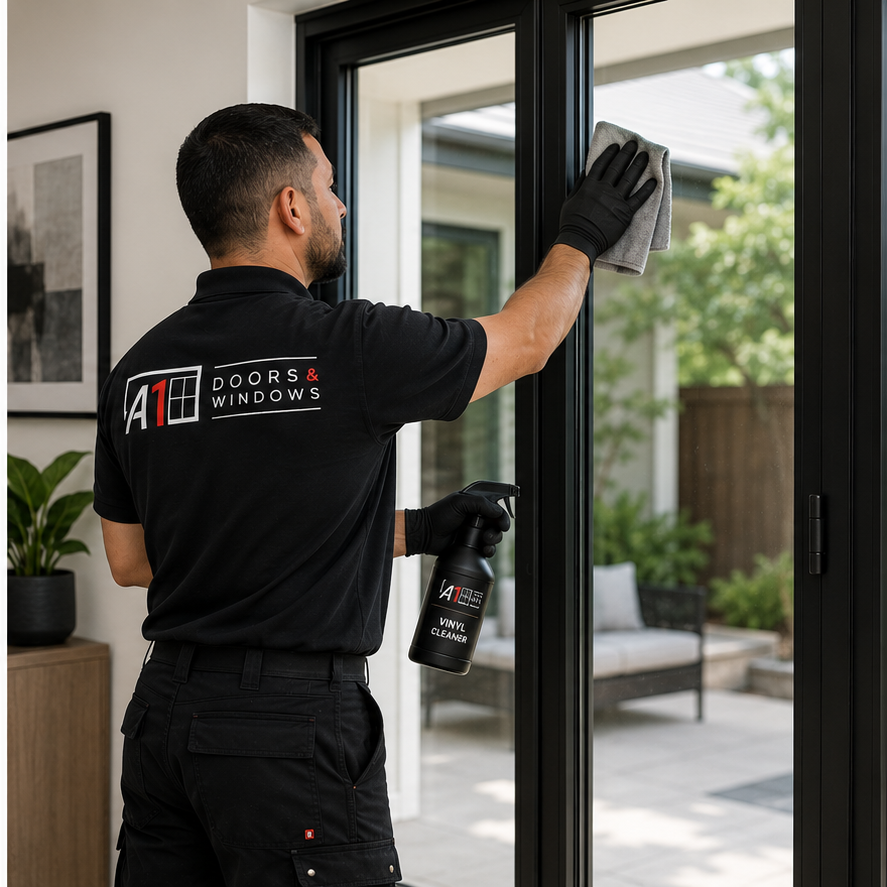
Vinyl sliding, bifold, folding-up, and gas strut windows each rely on different hardware to operate, but they all benefit from the same core maintenance habits: regular cleaning, periodic lubrication, and prompt attention to worn hardware. Whether you are maintaining compact fixtures or investing in premium doors and windows for modern homes, vinyl frames themselves require very little upkeep since they won’t rot, rust, or need repainting, but the moving parts and seals still need regular care. This guide covers the general upkeep that keeps all four vinyl window types performing well for years, along with a few maintenance points specific to each.
Why Maintenance Matters
Even durable, well-built windows accumulate dirt, dust, and grit in their moving parts over time. Left unaddressed, this buildup grinds down rollers, hinges, and struts, causes weatherstripping to compress or tear, and allows hardware to loosen. Routine maintenance is quick and prevents the vast majority of issues that lead to sticking, drafts, or premature hardware failure across all window types.
General Cleaning Tips
- Clean frames and sashes every one to three months with a mild soap and water solution.
- Avoid abrasive cleaners, solvents, or bleach-based products, which can dull or discolor frame finishes over time.
- Use a soft cloth or non-abrasive sponge; avoid steel wool or scouring pads.
- Rinse thoroughly and dry with a clean cloth to prevent water spots.
- Use a manufacturer-approved cleaner for stubborn stains rather than a generic household cleaner.
Track, Hinge, and Hardware Cleaning
Dirt and debris in tracks, hinges, or pivot points are the leading cause of windows that stick, bind, or feel heavy to operate. Vacuum tracks and hinge areas every few weeks using a narrow nozzle attachment to remove dust, sand, and small debris, then wipe down with a damp cloth every couple of months to remove any remaining grime.
Lubrication
Every six months, apply a silicone-based lubricant (never a petroleum-based grease, which attracts dirt) to the moving parts relevant to your window type — rollers and tracks for sliding windows, pivot brackets and hinges for bifold windows, hinge arms for folding-up windows, and strut mounting points for gas strut windows. Avoid over-lubricating, as excess product attracts more dust than it prevents.
Weatherstripping Inspection
Check weatherstripping around the frame twice a year, ideally at the start of each major season change. Look for compression, tearing, or gaps where light or air can pass through, and replace worn weatherstripping promptly, since this is one of the most common sources of drafts and energy loss across all window types.
Hardware Checks
Test locks and latches regularly to confirm they engage fully and smoothly, and tighten any loose screws in handles, locks, or hinge assemblies. Loose hardware is often the first sign of a bigger alignment issue, so addressing it early can prevent more significant repairs later.
Type-Specific Maintenance
Sliding Windows
If you have sliding windows for modern homes, inspect rollers every six months for cracking, flat spots, or debris buildup. If the sash becomes difficult to slide or feels slightly out of track, most sliding windows have adjustment screws near the rollers that allow for minor height correction.
Bifold Windows
When maintaining bifold windows for indoor-outdoor openings, check pivot brackets and hinges for looseness every few months, and tighten screws as needed. If panels drift out of alignment and no longer close flush, most systems allow for adjustment at the top pivot bracket per the manufacturer’s instructions.
Folding-Up Windows
For folding up windows for modern spaces, inspect the hinge arms and any hold-open hardware for wear or stiffness. Lubricate hinge points regularly, and check that the sash still swings freely through its full range without catching on the frame or surrounding trim.
Gas Strut Windows
When operating gas strut windows for modern homes, periodically test the strut through its full range of motion to confirm it still holds the sash smoothly at multiple angles without drifting or sagging. A strut that no longer holds position or feels stiff to operate has likely reached the end of its service life and should be replaced rather than repaired, since struts are sealed, pressurized components.
Seasonal Maintenance Checklist
| Task | Sliding | Bifold | Folding-Up | Gas Strut | Frequency |
|---|---|---|---|---|---|
| Wipe down frame and sash | Yes | Yes | Yes | Yes | Every 1–3 months |
| Clean tracks/hinges/pivots | Yes | Yes | Yes | Yes | Monthly |
| Lubricate moving parts | Yes | Yes | Yes | Yes | Every 6 months |
| Inspect weatherstripping | Yes | Yes | Yes | Yes | Twice a year |
| Check hardware tightness | Yes | Yes | Yes | Yes | Every 3–6 months |
| Test full range of motion | Yes | Yes | Yes | Yes | Every 6 months |
| Strut function test | N/A | N/A | N/A | Yes | Every 6 months |
Troubleshooting Common Issues
- Window sticks or feels heavy to operate: Clean tracks or hinge points and lubricate; check for debris buildup first.
- Drafts around a closed window: Inspect and replace worn weatherstripping.
- Bifold panels don’t close flush: Adjust the top pivot bracket and check for track obstructions.
- Folding-up sash catches or won’t swing freely: Check hinge alignment and clear any obstruction along the swing path.
- Gas strut no longer holds the sash open: The strut has likely reached end of life and needs replacement.
- Discoloration on frame finish: Switch to a manufacturer-approved cleaner and avoid harsh chemicals going forward.
Final Thoughts
A quarter-hour of maintenance every few months is typically all it takes to keep vinyl sliding, bifold, folding-up, and gas strut windows operating smoothly for years. The key habits are the same across all four types: keep tracks and hinge points clean, keep moving parts lubricated, and address small issues like worn weatherstripping or loose hardware before they become bigger problems. Since vinyl frames themselves are low maintenance by nature, most of the attention your windows need over time goes toward the hardware, not the frame. Consistency matters more than intensity: regular light upkeep will outperform an occasional deep clean every time. If you need assistance with replacement hardware or want to talk to a window and door specialist about your next project, reach out to our team for expert guidance.